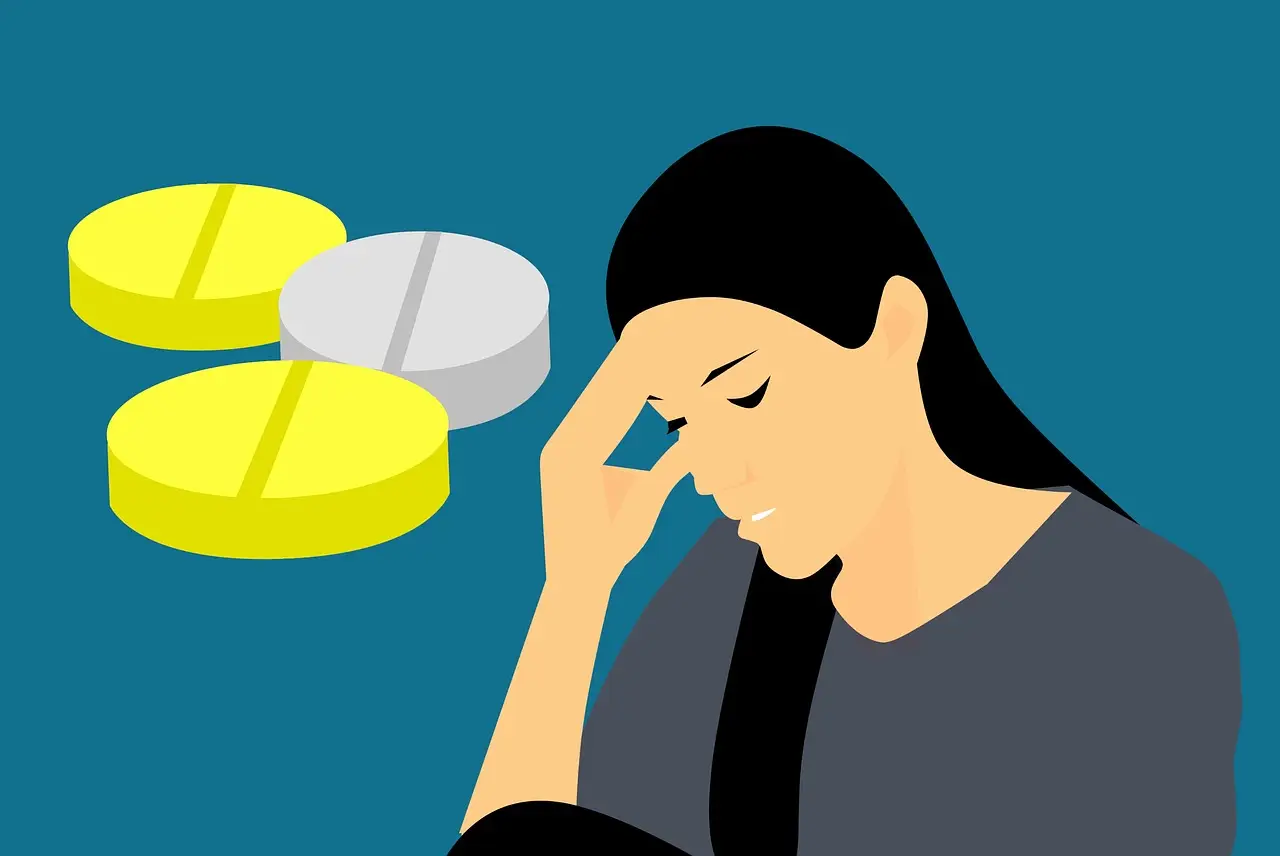

Peptides are getting a lot of attention in women’s health, and for good reason. These short chains of amino acids can signal the body to regulate inflammation, repair tissues, and support energy production. For women navigating endometriosis, perimenopause, or chronic fatigue, peptide therapy may be a helpful adjunct when carefully selected and monitored.
If you have felt dismissed or told that your symptoms are “normal,” you are not alone. ForeViva Medical Clinique embraces compassionate, physician-led care that validates your lived experience and aligns clinical options with your goals. This guide explains how peptide therapy works, how it differs from hormone replacement therapy (HRT), and how it can complement an integrative plan that includes nutrition, pelvic physical therapy, sleep, stress care, and mental health support.
A quick note for anyone who suspects endometriosis: The Endo360 app is completely free, it can help you assess the likelihood of endometriosis, track daily symptoms, and organize your progress so you’re prepared for a focused visit with a specialist. You will find a dedicated callout below with details.
What is peptide therapy and how does it work?
In brief, peptide therapy uses short amino acid chains to send targeted signals that can modulate hormones, metabolism, inflammation, and tissue repair. Many peptides mimic or influence the body’s natural messengers. When prescribed in medical-grade form and dosed under physician supervision, they can interact with cell receptors to upregulate or downregulate specific pathways.
While mechanisms vary by peptide, common actions include:
- Signaling mitochondria to improve energy metabolism
- Modulating immune function to reduce inflammatory signaling
- Encouraging tissue remodeling and repair after stress, injury, or surgery
At ForeViva, peptides are never used as a one-size-fits-all solution. They are combined with thorough history, labs when indicated, and ongoing monitoring, then integrated with foundational care like sleep optimization, nutrition, movement planning, and stress support.
How do peptides differ from hormone replacement therapy (HRT)?
Peptides are signaling molecules; HRT replaces or supplements hormones such as estradiol, progesterone, and testosterone. Peptides may influence hormone signaling, receptor sensitivity, or downstream effects, but they are not direct hormone replacements.
Key differences:
- HRT addresses specific hormone deficiencies or imbalances directly, which can relieve hot flashes, mood shifts, sleep disturbance, and other perimenopause or menopause symptoms.
- Peptides can support systems that influence hormone balance, such as metabolism, inflammation regulation, and tissue repair. For example, a peptide that improves mitochondrial efficiency might help with fatigue that persists even when sex hormones are appropriately replaced.
- Many women benefit from both, with HRT providing core symptom relief, and peptides fine-tuning energy, recovery, and inflammatory tone.
ForeViva’s clinicians help you understand when HRT, peptides, or both make sense, based on your medical history, goals, and biomarkers.
Which peptides may support women with endometriosis, PCOS/PMOS, perimenopause, or chronic fatigue?
The most helpful peptide depends on your physiology and goals. ForeViva uses evidence-informed options, sourced from medical-grade compounding pharmacies, and prescribes them under physician supervision. Examples include:
- BPC-157, a synthetic fragment of a gastric peptide that has been studied in preclinical models for tissue repair, gut barrier support, and modulation of inflammatory signaling. Clinically, it is considered for recovery support and localized pain patterns when appropriate.
- Thymosin Alpha-1, an immune-modulating peptide investigated for supporting balanced immune response. For women with inflammatory flares or frequent infections, clinicians may consider it when indicated.
- TB-500 (Thymosin Beta-4 fragment), explored for tissue healing and recovery. It may be considered in protocols that prioritize soft-tissue repair or post-surgical support under strict supervision.
- GHK-Cu, a copper-binding tripeptide with research related to tissue remodeling and anti-inflammatory effects. Often used topically in skin health, it may also be considered systemically for recovery-focused goals when appropriate.
- MOTS-C, a mitochondria-derived peptide under investigation for metabolic regulation, glucose handling, and exercise tolerance. It is considered for metabolic and energy-focused protocols when clinically suitable.
- Semaglutide or related GLP-1 receptor agonists are not peptides in the classic signaling-peptide sense used here, but they are peptide-based medications commonly used for weight management under medical supervision. ForeViva may integrate GLP-1 therapy with peptide support and nutrition planning when appropriate.
Condition considerations:
- Endometriosis: Care focuses on systemic inflammation, pain modulation, recovery, and energy. BPC-157, Thymosin Alpha-1, and GHK-Cu may be considered alongside core therapies like pelvic physical therapy, nutrition changes, and, when indicated, surgical planning with an excision specialist.
- PCOS/PMOS: Priorities often include insulin sensitivity, ovulatory function, and inflammation. MOTS-C for metabolic signaling and immune-modulating peptides may be considered with nutrition, sleep, and stress strategies, and with careful monitoring of cycles and labs.
- Perimenopause: Symptom drivers vary. HRT may be central, with peptides supporting sleep quality, tissue repair, and exercise recovery. MOTS-C may be considered for metabolic shifts and energy.
- Chronic fatigue: Peptide selection often prioritizes mitochondrial support and inflammation modulation. MOTS-C and Thymosin Alpha-1 are examples that may be discussed, along with pacing strategies, sleep hygiene, and targeted labs.
Every option is individualized. Some women do best with a single peptide on a defined cycle, while others respond to a short-term “stack” that addresses recovery, metabolism, and inflammation together, followed by a consolidation period and reassessment.
Can peptide therapy help with metabolic function, inflammation, and energy?
Yes, when carefully selected and clinically indicated, peptide therapy can support these domains. Mechanisms include:
- Metabolic efficiency: Peptides like MOTS-C are being studied for effects on glucose handling, exercise capacity, and insulin sensitivity. Clinically, patients often report steadier energy and improved workout recovery when protocols fit their physiology.
- Inflammatory regulation: Thymosin Alpha-1 and BPC-157 are considered for their immune-modulating and tissue-supportive properties, which may help women whose symptoms flare with inflammatory triggers.
- Energy and recovery: Mitochondrial and repair-focused peptides can help some women tolerate daily activities and exercise with fewer setbacks, especially when paired with adequate nutrition, iron and thyroid evaluation when appropriate, and sleep optimization.
Outcomes vary, and benefits are strongest when peptides are part of a coordinated plan rather than a stand-alone fix.
Are peptides safe for women and what are the common side effects?
Safety depends on the peptide, dose, duration, route, sourcing, and your medical context. When prescribed by a physician, filled through medical-grade compounding pharmacies, and monitored with appropriate follow-up, many women tolerate peptide therapy well.
Common, generally mild side effects may include:
- Injection site redness, swelling, or irritation
- Nausea or GI upset for select peptides
- Headache or transient fatigue as the body adapts
Less common risks vary by compound. Women who are pregnant, trying to conceive, or breastfeeding need specific guidance. Those with active malignancy, uncontrolled autoimmune disease, or complex medication regimens require cautious evaluation. ForeViva clinicians review your history, medications, and relevant labs before prescribing, and they monitor response and adjust protocols to support safety.
Important sourcing note: Over-the-counter or non-medical marketplace peptides are risky. Purity, dosing accuracy, and sterility are not assured. ForeViva uses prescription-grade sourcing and physician oversight to reduce these risks.
How are peptide protocols personalized and monitored under physician supervision?
At ForeViva, personalization begins with a thoughtful medical history and current symptom mapping. When appropriate, clinicians order targeted labs such as hormone panels, thyroid markers beyond TSH, metabolic assessments, ferritin, vitamin D, inflammatory markers, and others based on your presentation. Imaging is considered when indicated. For suspected endometriosis, clinicians acknowledge the diagnostic reality: laparoscopic visualization with tissue confirmation by pathology is the gold standard, preferably by an excision-trained surgeon. Ultrasound and MRI have limits, yet can guide care and surgical planning.
Protocol elements may include:
- Peptide selection matched to goals, such as a recovery-focused stack after a flare, or a metabolic stack during a structured exercise and nutrition plan
- Dosing and cycling, often in conservative phases to assess tolerance, followed by performance phases and maintenance or pause periods
- Biomarker monitoring, reviewing labs and symptom trends to refine dose and cycle length
- Integration with HRT when appropriate, ensuring timing and interactions are managed
- Lifestyle anchors: nutrition, pelvic PT, sleep, stress care, and mental health support
Follow-up cadence is individualized. Many women start with more frequent check-ins, then move to quarterly or seasonal reviews once stable.
How can peptides complement an integrative plan that includes HRT, nutrition, and lifestyle?
Peptides are most effective when they support foundational care:
- With HRT: HRT can relieve vasomotor symptoms, sleep disturbance, and mood shifts. Peptides can complement by improving recovery capacity, inflammatory balance, and mitochondrial function, which may help energy and exercise tolerance.
- With nutrition: A metabolic peptide plan pairs well with steady protein intake, phytonutrient-rich foods, adequate fiber, and smart carbohydrate timing. ForeViva recommends small, sustainable shifts that respect your routines.
- With movement and pelvic PT: Peptides that support tissue healing can help you benefit more from PT and strength training while minimizing flare-ups. Clinicians can help pace progress so your body adapts rather than crashes.
- With sleep and stress care: Because many peptides work through recovery pathways, consistent sleep, light exposure, and stress-reduction practices enhance the benefit. Mind-body support and mental health care are not optional extras; they are part of the biology of healing.
What does ForeViva’s integrative approach to responsible peptide care include?
ForeViva Medical Clinique follows a careful, physician-led model:
- Comprehensive assessment: History, symptom mapping, and targeted labs; clear education in plain language
- Evidence-informed selection: Choosing peptides that fit your goals, medical context, and current therapies
- Safety first: Medical-grade sourcing, conservative starts, clear instructions, and counseling on potential side effects
- Dosing and cycling: Structured phases to encourage benefit while minimizing adaptation and side effects
- Biomarker and symptom monitoring: Regular check-ins to track response and refine the plan
- Integrative coordination: Aligning peptides with HRT when appropriate, nutrition, pelvic PT, sleep and stress support, and mental health care
- Access and continuity: Telehealth across the United States, with current Bay Area in-person clinics in Menlo Park and Mountain View; clinics opening in New York City and Florida in 2026. ForeViva supports preauthorization and coordinated care when services and labs are medically indicated.
If you need a compassionate women’s health home base, ForeViva’s clinician team strives to make the process unhurried, respectful, and clear about next steps.
What does a responsible peptide “stack” look like in practice?
There is no universal stack, because biology and goals differ. Here are example frameworks used as discussion starters during ForeViva consults. These are not prescriptions; they illustrate how a physician might structure care.
- Metabolic-focused stack: MOTS-C on a defined cycle paired with nutrition coaching to stabilize protein intake and glucose, progressive resistance training 2 to 3 days weekly, and sleep goals of 7 to 9 hours. Biomarkers might include fasting glucose, A1C, lipids, thyroid panel beyond TSH, ferritin, and vitamin D.
- Anti-inflammatory and recovery stack: BPC-157 and Thymosin Alpha-1 considered for a limited cycle to support tissue recovery during pelvic PT and after a flare; gentle aerobic activity, guided breathwork, and targeted micronutrient support as tolerated.
- Perimenopause support stack: HRT managed by the clinician, plus a recovery-focused peptide during periods of high stress or training; pacing recommendations, protein optimization, and sleep support. Tracking symptoms helps fine-tune timing and dose.
Across all stacks, cycling and pause periods are critical, as is re-evaluation to determine if the protocol should continue, taper, or switch.
How do imaging and diagnosis fit into endometriosis-informed peptide care?
Peptides do not diagnose endometriosis and they are not a replacement for definitive evaluation when indicated. Clinically:
- Gold standard: Laparoscopic visualization with pathology confirmation, ideally performed by an excision-trained surgeon
- Imaging: Transvaginal ultrasound and MRI can detect certain lesions or deep infiltrating disease but often miss superficial peritoneal disease. Normal imaging does not rule out endometriosis.
- While pursuing diagnosis: Many patients benefit from pelvic floor PT, anti-inflammatory strategies, neuropathic pain options, nutrition and gut support, and mental health care. Peptides may be considered as supportive adjuncts within that framework.
If you suspect endometriosis, structured symptom tracking can accelerate meaningful visits. The Endo360 app is completely free, it can help you assess the likelihood of endometriosis, track daily symptoms, and organize your progress so you’re prepared for a focused visit with a specialist.
How does ForeViva coordinate care with HRT, thyroid, and metabolic evaluation?
ForeViva’s hormone programs go beyond a single lab value. When indicated, clinicians evaluate:
- Comprehensive sex hormone context, including timing within the cycle for premenopausal patients
- Thyroid panel beyond TSH, such as free T4, free T3, antibodies, and reverse T3 when appropriate
- Metabolic markers, iron studies, vitamin D, and inflammation indicators
This broader lens helps explain fatigue, weight shifts, mood, and sleep changes. If HRT is appropriate, it is integrated with peptide plans and monitored carefully. When patients prefer non-hormonal strategies or are not candidates for HRT, clinicians focus on lifestyle, peptide support, targeted medications, and symptom relief options.
If you are in the Bay Area and would like coordinated in-person care, ForeViva welcomes visits at our women’s health clinic in Mountain View. Nationwide, you can begin with telehealth and follow-up visits through ForeViva’s physician-led team.
Endo360 app callout for women who suspect endometriosis
If endometriosis is on your mind, you deserve tools and a plan. The Endo360 app is completely free, it can help you assess the likelihood of endometriosis, track daily symptoms, and organize your progress so you’re prepared for a focused visit with a specialist. Use it to build a clear timeline, document flares, note triggers, and export a structured summary to bring to your appointment. This can make visits more efficient and help your clinician advocate for the right imaging or referrals.
Practical steps to get started safely
- Book a clinician-guided consult. Peptides should be selected and dosed by a physician familiar with women’s hormonal and inflammatory physiology.
- Gather records. Past labs, imaging, cycle logs, and medication lists help personalize your plan.
- Set one or two top goals. Clear priorities, such as reducing crash days or improving workout recovery, sharpen peptide selection and dosing.
- Align your foundations. Sleep, nutrition, and pacing matter. Peptides work best when the basics are in place.
- Plan for monitoring. Expect check-ins and potential dose or cycle adjustments. Sustainable benefit is the goal.
Insurance, access, and follow-up
When services and labs are medically indicated, many aspects of evaluation and treatment may be covered, but it varies by plan. ForeViva supports preauthorization and coordinated care, offers telehealth across the United States, and provides in-person visits at current Bay Area clinics in Menlo Park and Mountain View, with clinics opening in New York City and Florida in 2026. Concierge outreach typically follows within 24 to 48 hours of inquiry to help you take the next step confidently.
Frequently asked questions
- What is peptide therapy in simple terms?
Peptide therapy uses short amino acid chains to send targeted signals that can support metabolism, inflammation balance, and tissue repair under physician supervision. - How is peptide therapy different from HRT?
HRT replaces or supplements hormones directly. Peptides modulate signaling pathways that influence hormones, metabolism, and recovery but are not hormone replacements. - Which peptides are commonly considered for women’s health?
Examples include BPC-157 for tissue support, Thymosin Alpha-1 for immune modulation, TB-500 for recovery, GHK-Cu for remodeling, and MOTS-C for metabolic signaling. - Can peptides help with endometriosis symptoms?
They may help as adjuncts by influencing inflammatory tone and recovery, but they do not diagnose or cure endometriosis. Definitive diagnosis is surgical with pathology. Peptides should be integrated with pelvic PT, nutrition, pain strategies, and surgical planning when indicated. - What about PCOS/PMOS and metabolic concerns?
With medical guidance, peptides like MOTS-C may support insulin sensitivity and energy. They work best alongside nutrition planning, movement, sleep, and stress care. - Are peptides safe?
Safety can be good when peptides are sourced from medical-grade pharmacies, prescribed by a physician, and monitored. Side effects are typically mild and may include injection site irritation, nausea, or headache, but risks vary by peptide. - How are protocols personalized?
Clinicians review your history, symptoms, and labs; select a peptide or short stack; start conservatively; and monitor biomarkers and symptom trends to refine dose and cycle. - Can peptides be used with HRT?
Yes, when appropriate. Many women use peptides to support energy and recovery while HRT addresses hormone deficiency-related symptoms. - What lab monitoring is needed?
It varies. Hormone panels, thyroid testing beyond TSH, metabolic markers, iron studies, vitamin D, and inflammation markers may be considered, based on your presentation. - What is the gold standard for diagnosing endometriosis?
Laparoscopic visualization with tissue confirmation by pathology, ideally with an excision-trained surgeon. Ultrasound and MRI can guide care but cannot reliably exclude superficial disease. - Is there a free tool to help prepare for endometriosis visits?
Yes. The Endo360 app is completely free, it can help you assess the likelihood of endometriosis, track daily symptoms, and organize your progress so you’re prepared for a focused visit with a specialist. - How quickly will I feel results?
Timelines vary. Some patients notice changes within weeks; others need full cycles with lifestyle alignment. Sustainable, individualized progress is the aim. - Are over-the-counter peptides safe to try?
Non-medical sources can be unsafe due to purity and dosing concerns. ForeViva uses medical-grade compounding pharmacies and physician oversight. - Does ForeViva offer nationwide access?
Yes. ForeViva provides telehealth across the United States, with current Bay Area in-person clinics in Menlo Park and Mountain View, and clinics opening in New York City and Florida in 2026.
Thoughtful internal support and resources
If you plan an in-person visit in the Bay Area, you can explore our women’s health clinic in Mountain View for coordinated, physician-led care. For those considering a guided hormone plan alongside peptide support, you can also learn more and book hormone therapy in Brooklyn as New York services expand.
Summary and next steps
Peptide therapy is not a magic bullet. It is a tool that, when selected and monitored carefully, can help regulate hormone signaling pathways, support metabolic efficiency, modulate inflammation, and improve tissue repair and energy. The greatest benefit comes from integration with HRT when appropriate, nutrition and movement planning, pelvic PT, sleep and stress support, and mental health care. It also depends on medical-grade sourcing, individualized dosing and cycling, and ongoing physician supervision.
If you are ready for a plan that respects your lived experience and medical history, schedule a personalized peptide and hormone strategy session with ForeViva. Access care via telehealth across the United States or visit our current Bay Area in-person clinics in Menlo Park and Mountain View. Clinics are opening in New York City and Florida in 2026. ForeViva supports preauthorization and coordinated care to help streamline the process.
If you suspect endometriosis, start today by downloading the Endo360 app. The Endo360 app is completely free, it can help you assess the likelihood of endometriosis, track daily symptoms, and organize your progress so you’re prepared for a focused visit with a specialist. Bring your Endo360 summary to your consult so we can focus your visit and move you forward with clarity.