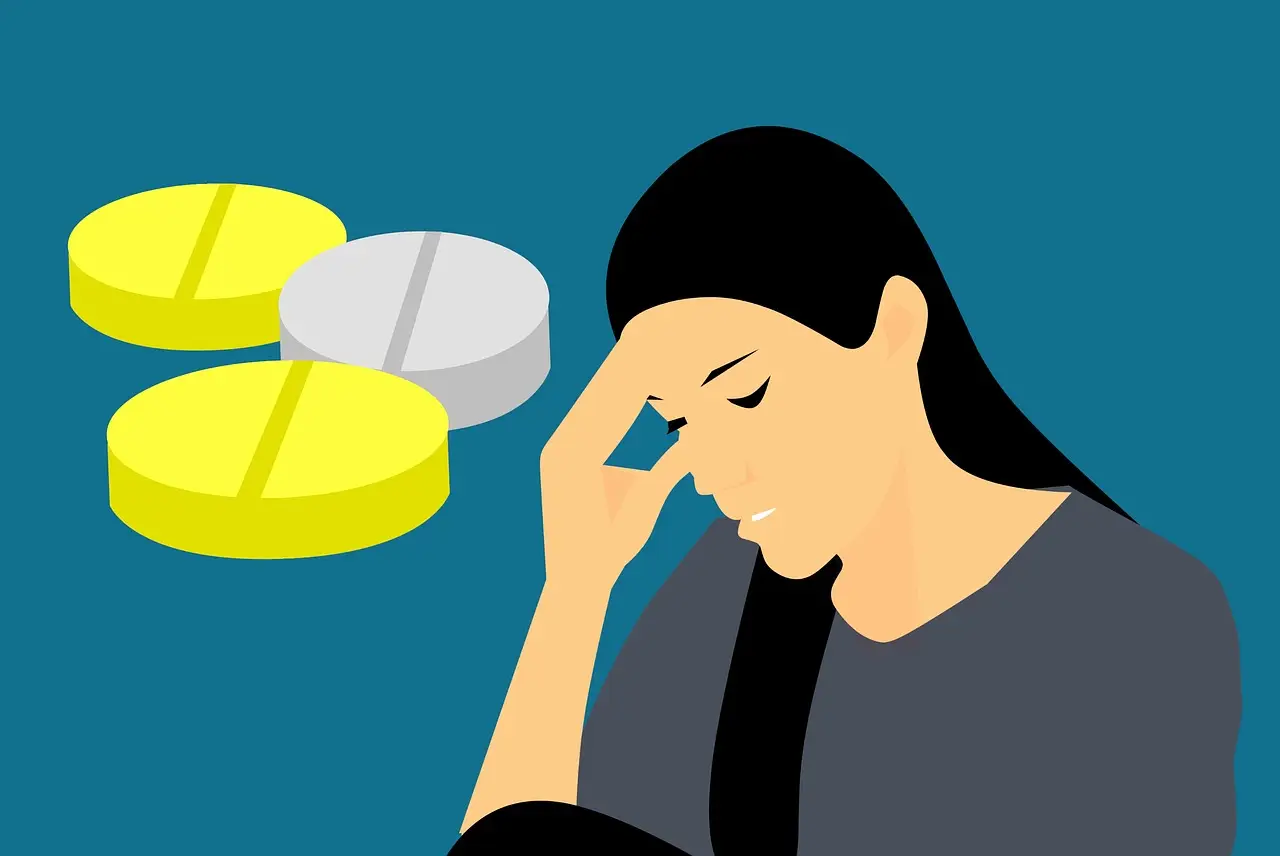

Endometriosis is often described as “bad periods.” That framing misses the truth and leaves many women feeling dismissed. Endometriosis is a systemic inflammatory disease that involves the immune, hormonal, metabolic, and nervous systems. It can affect organs well beyond the uterus and ovaries, and it can shape daily life with fatigue, brain fog, gastrointestinal issues, back and pelvic pain, and even shortness of breath when the diaphragm is involved.
If you have been told your symptoms are normal or that a normal ultrasound means nothing is wrong, you are not alone. Imaging can miss significant disease. Your experience matters, and there is a clear path to improvement when care addresses the whole body, not just pelvic lesions.
This guide explains how endometriosis behaves across organ systems, why inflammation and immune dysregulation drive wide-ranging symptoms, and how a structured Roadmap to Recovery can reduce pain and improve long-term wellbeing. It also shows how ForeViva Medical Clinique and Dr. Joelle Osias deliver comprehensive, patient-centered care using evidence-based therapies, surgical partnerships, and emerging precision tools.
What is endometriosis and how can it affect organs beyond the uterus?
Short answer: Endometriosis is a systemic inflammatory disease where tissue similar to endometrium grows outside the uterus, triggering chronic inflammation that can involve the ovaries, peritoneum, bowel, bladder, diaphragm, and nerves.
While implants often start on pelvic structures, they can infiltrate the uterosacral ligaments, rectovaginal septum, bowel wall, and bladder dome, and they can seed the diaphragm and thoracic cavity. Adhesions may tether organs, altering bowel motility and bladder emptying. When the diaphragm or chest is involved, some patients notice shoulder pain with cycles, chest tightness, or even catamenial symptoms. Disease along pelvic nerves can amplify pain signaling and contribute to sciatica-like discomfort. This multi-organ reach is why endometriosis is not a “uterine problem,” and why symptoms are not limited to menstruation.
How do inflammation and immune dysregulation drive fatigue, brain fog, joint pain, and digestive issues?
Short answer: Endometriosis is fueled by chronic, cytokine-driven inflammation and immune dysfunction that spill beyond the pelvis, affecting energy, cognition, joints, and gut function.
Lesions create a microenvironment rich in inflammatory mediators such as prostaglandins, interleukins, and tumor necrosis factor. These signals can:
- Disrupt mitochondrial function and iron handling, contributing to fatigue and exercise intolerance.
- Affect neurotransmitters and microglial activation, which many patients experience as brain fog or mood variability.
- Sensitize peripheral and central pain pathways, increasing pain intensity and persistence even when lesions are small.
- Alter gut permeability and motility, aggravating bloating, constipation or diarrhea, and food sensitivities. Overlap with small intestinal bacterial overgrowth and dysbiosis is common.
- Promote joint aches and systemic stiffness through circulating inflammatory mediators.
Immune dysregulation also appears in impaired clearance of retrograde menstrual cells, aberrant macrophage activation, and increased mast cell activity. Together, these mechanisms explain why whole-body symptoms often persist between cycles.
What is the Roadmap to Recovery model for comprehensive endometriosis care?
Short answer: A staged, integrated plan that addresses hormones, metabolism, immunity, surgery when indicated, and daily-life foundations to calm inflammation and restore function.
ForeViva’s Roadmap to Recovery aligns five pillars:
- Hormonal support: Use tailored hormonal strategies to reduce cyclic flares and stabilize pain.
- Metabolic optimization: Support mitochondria, insulin sensitivity, thyroid balance, and nutrient status to improve energy and healing.
- Immune regulation: Target inflammatory pathways and mast cell activity with evidence-informed protocols.
- Surgical precision: Coordinate with excision-trained surgeons when anatomy or goals warrant operative treatment, followed by structured rehabilitation.
- Lifestyle interventions: Build daily practices that regulate the nervous system, support the gut, and reduce trigger exposure.
The sequence is individualized. Some patients begin with medical and lifestyle therapies, then proceed to surgery. Others prioritize surgery with pre-operative optimization to improve outcomes and recovery.
How do hormonal support, metabolic health, and immune regulation work together?
Short answer: They form a feedback loop. Stabilizing hormones dampens lesion activity; metabolic balance improves cellular energy and resilience; immune regulation lowers inflammatory signaling. Together, they reduce pain and enhance quality of life.
- Hormonal support: Options can include continuous combined contraceptives, progestins, levonorgestrel IUDs, or GnRH analogs for symptom control when appropriate. For selected patients, bio-identical hormone therapy is used thoughtfully within a broader plan to balance estrogen, progesterone, and androgens, taking into account thyroid and adrenal function.
- Metabolic health: Address insulin resistance, nutrient deficiencies, mitochondrial stress, and thyroid dysfunction. ForeViva may incorporate GLP-1 therapy when indicated, targeted supplements, and peptide support under physician supervision to improve energy production and tissue repair.
- Immune regulation: Strategies can include anti-inflammatory nutrition, mast cell stabilizing approaches, sleep optimization, stress physiology support, and physician-guided peptide protocols that aim to modulate cytokine activity.
When these pillars align, patients often report fewer flares, steadier energy, clearer cognition, and improved tolerance for physical therapy and exercise.
When is surgery indicated and what does surgical precision mean?
Short answer: Consider surgery when pain is refractory, when deep disease affects bowel, bladder, or fertility, or when anatomy is distorted. Surgical precision means excision by a surgeon trained to recognize and remove disease while protecting organs and nerves.
Imaging can suggest deep infiltrating endometriosis, ovarian endometriomas, or adhesions, but scans may miss superficial disease. The diagnostic gold standard remains laparoscopy with visual assessment and tissue confirmation by pathology, ideally performed by an excision specialist. Surgery can be both diagnostic and therapeutic.
Surgical precision emphasizes:
- Thorough mapping of visible disease.
- Excision rather than ablation for deep or fibrotic lesions.
- Multidisciplinary coordination with colorectal or urologic surgeons when bowel or bladder are involved.
- Nerve-sparing techniques and adhesion prevention strategies.
- Pre- and post-operative optimization, including pelvic floor physical therapy, anti-inflammatory support, and gut restoration.
What lifestyle interventions help manage whole-body symptoms?
Short answer: Consistent, gentle strategies reduce trigger load and improve resilience across systems.
- Nutrition: An anti-inflammatory template that emphasizes fiber-rich plants, omega-3s, lean proteins, and minimal ultra-processed foods. Some patients benefit from low-FODMAP trials or targeted elimination with reintroduction under guidance.
- Gut support: Probiotics as appropriate, attention to bowel regularity, and evaluation for dysbiosis when symptoms persist.
- Pelvic floor physical therapy: Downtraining hypertonic muscles, improving mobility and scar mechanics, and building coordinated strength.
- Nervous system regulation: Breathwork, paced activation, and mind-body practices that reduce sympathetic overdrive and central sensitization.
- Sleep and recovery: Consistent sleep windows, light management, and stress-aware routines.
- Movement: Low-impact aerobic work and mobility strength training to support endorphins and circulation without provoking flares.
These choices are not quick fixes. They are building blocks that, compounded over time, reduce inflammatory tone and pain amplification.
How are AI and precision diagnostics shaping endometriosis care?
Short answer: AI can help synthesize complex symptom patterns, imaging, and labs to flag likely disease and phenotype subtypes, enabling earlier recognition and more tailored plans.
Precision diagnostics are expanding beyond standard labs. Comprehensive hormone panels that include thyroid function, inflammatory markers, stool testing for dysbiosis, and longevity-related biomarkers can inform more individualized therapies. Advanced imaging interpreted by experienced radiologists improves mapping of deep disease. AI-assisted tools promise to speed pattern recognition, reduce diagnostic delay, and support shared decision-making by highlighting best-fit strategies for a given phenotype. These tools complement, not replace, clinical judgment and surgical expertise.
How do ForeViva and Dr. Joelle Osias approach endometriosis as a systemic disease?
Short answer: With a whole-body, evidence-informed program that integrates medical therapies, surgical partnerships, metabolic and immune optimization, and compassionate guidance.
Led by Dr. Joelle Osias, named Endo Hero of the Year by the American & Global College of Endometriosis Specialists, ForeViva coordinates care that spans:
- In-depth history, symptom mapping, and focused pelvic exam.
- Expanded laboratory evaluation when indicated, including inflammatory markers, comprehensive hormonal panels, thyroid testing, metabolic markers, stool testing, and selected longevity biomarkers.
- Medical management, including pelvic floor physical therapy and nerve-modulating strategies.
- Anti-inflammatory protocols, targeted supplementation, IV therapy, and physician-supervised peptide therapy when appropriate.
- Hormone optimization tailored to individual goals and physiology.
- Surgical coordination with excision-trained partners, including colorectal and urologic support for bowel or bladder involvement.
- Structured post-operative recovery plans that sustain gains.
ForeViva offers telehealth across the United States. Current Bay Area in-person clinics in Menlo Park and Mountain View; clinics opening in New York City in 2026 and Florida in 2027.
What should I expect at an endometriosis evaluation, and how soon can I be seen?
Short answer: Expect a validating, comprehensive visit focused on your history, goals, and whole-body symptoms, with prompt access whenever possible.
Your evaluation typically includes:
- A detailed review of symptoms, cycles, bowel and bladder patterns, pain triggers, and functional impacts.
- Focused pelvic exam when appropriate.
- Review of prior imaging and operative notes.
- Discussion of targeted imaging and labs based on your presentation.
- A personalized plan that prioritizes your top goals, whether pain relief, function, or fertility.
ForeViva aims for concierge outreach within 24 to 48 hours of inquiry. Same-week availability is often possible. Many consults, indicated imaging, and medications are commonly covered by insurance, though benefits vary; the team supports preauthorization and provides estimates when available.
How the Endo360 app can help you prepare and track progress
The Endo360 app is completely free, it can help you assess the likelihood of endometriosis, track daily symptoms, and organize your progress so you’re prepared for a focused visit with a specialist. Patients use it to create a concise summary of pain patterns, bowel and bladder changes, energy levels, and flares. That summary accelerates clinical decision-making and helps you measure what is improving as your plan unfolds.
ForeViva’s Roadmap to Recovery in practice
Here is how a typical integrated journey may look:
- Stabilize symptoms: Implement hormonal support, begin pelvic floor physical therapy, and start anti-inflammatory routines.
- Optimize internal terrain: Address thyroid and metabolic issues, correct nutrient deficiencies, and consider physician-directed peptide and IV protocols to improve healing potential.
- Map anatomy: Use targeted imaging as indicated, understanding limits. If symptoms and goals point to surgery, coordinate with an excision-trained team and prepare with pre-op optimization.
- Rebuild after surgery: Continue pelvic floor physical therapy, refine hormone and immune strategies, and restore gut function to maintain results.
- Maintain and adapt: Regular check-ins to adjust medications, titrate HRT when used, and evolve lifestyle supports as your function improves.
A gentle word on diagnosis and imaging
Transvaginal ultrasound and MRI are valuable when performed and interpreted by experienced professionals, particularly for ovarian endometriomas and deep disease. Yet superficial peritoneal lesions are often invisible on imaging. A normal scan does not rule out endometriosis. Laparoscopic visualization with pathology remains the diagnostic gold standard and is best performed by an excision-trained surgeon.
Frequently asked questions
- Is endometriosis only a period problem?
No. It is a systemic inflammatory disease that can affect bowel, bladder, diaphragm, nerves, and the immune system, leading to symptoms well beyond menstruation. - Can endometriosis cause fatigue and brain fog?
Yes. Chronic inflammation, disrupted mitochondria, sleep disturbance, and pain-related stress can drive persistent fatigue and cognitive fog. - Why do I have IBS-like symptoms with endometriosis?
Inflammation, adhesions, pelvic floor dysfunction, and gut dysbiosis commonly overlap, producing bloating, constipation or diarrhea, and food sensitivities. - How is endometriosis diagnosed?
Clinical evaluation guides testing. Imaging helps in some cases but cannot rule out disease. Laparoscopy with tissue confirmation by pathology is the gold standard. - Do I need surgery to get better?
Not always. Many patients improve with integrated medical, hormonal, metabolic, immune, and lifestyle care. Surgery is considered when pain is refractory, anatomy is distorted, or fertility and organ involvement make it advisable. - What does excision mean and why is it preferred for deep disease?
Excision removes the lesion and surrounding fibrotic tissue, which can reduce recurrence risk compared with superficial ablation in deep or fibrotic disease. - Can hormones make endometriosis worse?
Response varies. Some patients improve with suppression strategies; others need different approaches. ForeViva personalizes therapy and monitors response. - What lifestyle steps help right now?
Anti-inflammatory nutrition, gentle movement, pelvic floor physical therapy, sleep optimization, and stress-aware routines can reduce flares and improve resilience. - How fast can I be seen at ForeViva?
Concierge outreach typically occurs within 24 to 48 hours. Same-week consults are often available, via telehealth across the United States or in person in the Bay Area. - How does insurance work?
Coverage varies by plan. Many consults, indicated imaging, labs, and common medications are typically covered. ForeViva assists with preauthorization and transparent cost information when available.
Internal coordination, referrals, and your next steps
If bowel or bladder involvement is suspected, ForeViva coordinates with colorectal and urologic surgeons to plan combined procedures when needed. Pelvic floor therapy referrals are common both before and after surgery. Mental health support and pain specialists can be integrated for complex cases.
If you are preparing to see a clinician, start tracking symptoms now. The Endo360 app is completely free, it can help you assess the likelihood of endometriosis, track daily symptoms, and organize your progress so you’re prepared for a focused visit with a specialist.
A note on compassionate, patient-centered care
Endometriosis journeys are often marked by delays and dismissal. At ForeViva, validation is step one. Your goals drive the plan, and education is transparent so you can make informed choices. Regular follow-ups allow your plan to evolve as you heal.
How to access care at ForeViva
- Telehealth across the United States for consultations and follow-up.
- Current Bay Area in-person clinics in Menlo Park and Mountain View; clinics opening in New York City in 2026 and Florida in 2027.
- Concierge outreach within 24 to 48 hours; same-week availability when possible.
- Insurance support for preauthorization and estimates where applicable.
If you prefer a women’s health setting for in-person care, explore our women’s health clinic options in Menlo Park for a comprehensive experience that integrates gynecology, hormones, and recovery planning. You can learn more at our page describing our women’s health clinic in Menlo Park. For those in the South Bay, many patients begin with a fertility planning discussion to align endometriosis care with family-building goals; see our overview of fertility services in Mountain View to understand coordination pathways with reproductive endocrinology.
Summary and next step
Endometriosis is not just a uterine condition. It is a whole-body inflammatory and immune disorder that can affect the pelvis, bowel, bladder, diaphragm, and nervous system. When care addresses hormones, metabolism, immunity, surgical precision, and daily-life foundations together, symptoms often ease and function improves.
If you are ready for a comprehensive plan, schedule a ForeViva endometriosis consult today. Telehealth across the United States, with current Bay Area in-person clinics in Menlo Park and Mountain View and clinics opening in New York City in 2026 and Florida in 2027. Same-week availability is often possible. Bring your symptom log; the Endo360 app is completely free, it can help you assess the likelihood of endometriosis, track daily symptoms, and organize your progress so you’re prepared for a focused visit with a specialist.
- Learn about our women’s health clinic in Menlo Park: https://foreviva.com/menlo-park-womens-health-clinic
- Explore coordinated fertility support in Mountain View: https://foreviva.com/fertility-clinic