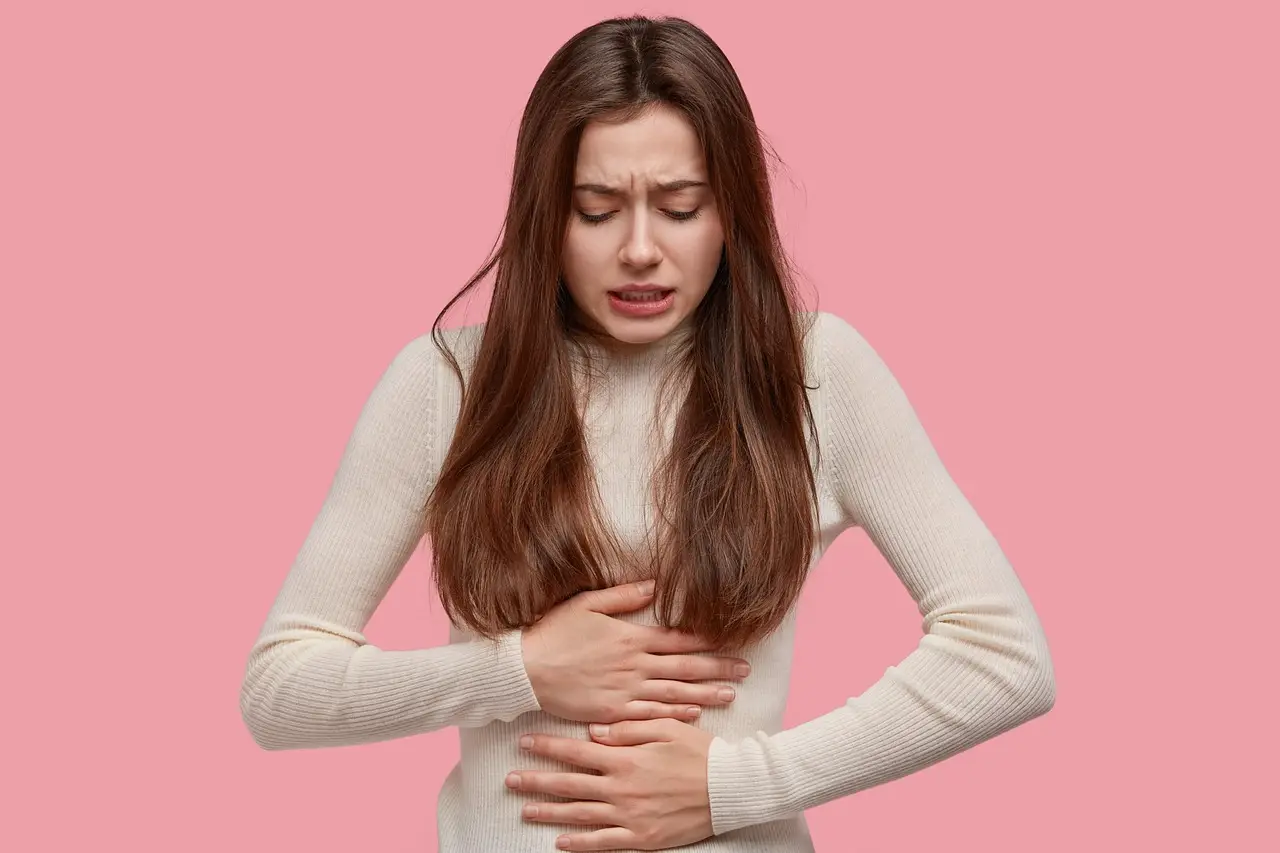
If you have been told you just have bad periods while living with pelvic pain, painful sex, heavy bleeding, bowel or bladder symptoms, fatigue, or fertility challenges, you are not imagining it. Medical gaslighting is common in endometriosis care, and it delays answers for far too many women. You deserve clear information, compassionate validation, and a plan that looks at your whole body, not just your uterus.
Here is the short answer first: endometriosis is a chronic, inflammatory, systemic disease where tissue similar to the uterine lining grows outside the uterus, often on the ovaries, bowel, bladder, pelvic nerves, and sometimes beyond the pelvis. It can drive widespread inflammation, pain, and fertility challenges. Imaging often misses it. The diagnostic gold standard is laparoscopic visualization with pathology, ideally by an excision specialist. Treatment is individualized and can include hormone therapy, expert excision surgery, pelvic floor physical therapy, neuropathic pain strategies, nutrition, and mental health support.
The Endo360 app is completely free, it can help you assess the likelihood of endometriosis, track daily symptoms, and organize your progress so you’re prepared for a focused visit with a specialist. Many women use it to spot patterns and walk into appointments with clear data and priorities.
ForeViva Medical Clinique provides whole-person endometriosis care under the leadership of Joelle Osias, MD, with telehealth across the United States and in-person visits in the Bay Area. The goal is simple and profound: listen deeply, validate what you have been experiencing, and build a personalized, stepwise plan grounded in evidence and empathy.
What is endometriosis?
Endometriosis is a chronic, inflammatory, full-body condition where tissue similar to endometrium grows outside the uterus and triggers pain, scar tissue, and sometimes organ dysfunction. While it often involves the pelvis, it can affect multiple systems.
These growths, called lesions, can bleed and inflame surrounding tissue. Over time, inflammation can lead to adhesions, which are bands of scar tissue that tether organs to each other. Endometriosis is not the same as adenomyosis, which occurs when endometrial tissue grows into the muscular wall of the uterus, though the two can coexist. Endometriosis also is not caused by period pain alone. It is a disease process that can affect nerves, immune signaling, hormones, the gut, and even mood and energy.
What are the symptoms of endometriosis?
Common symptoms include cyclical and non-cyclical pelvic pain, heavy or prolonged periods, and pain with sex. Many women also notice bowel or bladder symptoms, back or leg pain, and significant fatigue.
Symptoms often overlap. You might experience:
- Painful periods that interfere with daily life
- Pelvic pain between periods
- Dyspareunia, meaning pain with penetration or deep pelvic pain during or after sex
- Bowel symptoms such as constipation, diarrhea, bloating, or dyschezia, which is pain with bowel movements, especially around menses
- Bladder symptoms like urgency, frequency, or burning without infection
- Low back, hip, or leg pain related to nerve involvement
- Spotting or heavy bleeding
- Nausea, headaches, or dizziness around periods
- Fatigue, brain fog, and mood changes linked to inflammatory signaling and chronic pain
- Infertility or subfertility
Severity does not always match disease extent. Mild disease can cause severe pain, while extensive disease can be quiet. This mismatch adds to the frustration of being dismissed or misdiagnosed.
What causes endometriosis?
The cause is multifactorial. Genetics, immune function, hormones, and stem cell migration likely interact, and retrograde menstruation alone does not explain everything.
Key theories and factors:
- Hormonal environment: Estrogen promotes lesion growth and inflammation, while progesterone resistance in endometriosis tissue can blunt normal checks and balances.
- Immune dysregulation: The immune system may fail to clear stray endometrial-like cells and can release inflammatory cytokines that amplify pain and fatigue.
- Genetic and epigenetic influences: Family clustering and gene expression patterns suggest inherited susceptibility and changes in how genes are turned on or off.
- Stem cell and retrograde menstruation theories: Menstrual blood can flow backward through the fallopian tubes into the pelvis, potentially seeding lesions; stem cells from the bone marrow may also differentiate into endometriosis outside the uterus.
- Metabolic and microbiome influences: Emerging research links gut and vaginal microbiome imbalances, oxidative stress, and metabolic health to inflammation levels and symptom severity.
This complexity is why endometriosis is a full-body inflammatory disease rather than just a period problem. Pain pathways can sensitize over time, and other systems, including the gut and nervous system, can become involved.
Why does endometriosis affect the whole body?
Endometriosis lesions release inflammatory mediators that circulate beyond the pelvis, and chronic pain can rewire the nervous system. Hormonal and immune changes can then ripple through digestion, energy, and mood.
Inflammation and pain signals can alter stress hormone patterns, disturb sleep, and magnify fatigue. The gut can become more sensitive, leading to bloating and bowel changes. Pelvic floor muscles may tighten defensively, creating a pain cycle that persists even when lesions are small or hard to see. Addressing the disease often requires a plan that calms inflammation, untangles pelvic floor dysfunction, and supports nervous system regulation.
Why does ultrasound or MRI not always show endometriosis?
Ultrasound and MRI are helpful for certain findings, but they cannot reliably detect superficial or small peritoneal lesions. Many lesions are flat, subtle, or hidden by adhesions.
Transvaginal ultrasound is excellent for ovarian endometriomas and can sometimes identify deep infiltrating endometriosis, especially in skilled hands using dedicated protocols. MRI can map deep disease and adhesions, inform surgical planning, and rule out other conditions. But imaging is often normal in women with significant symptoms. A normal ultrasound or MRI does not rule out endometriosis.
How is endometriosis diagnosed?
The definitive diagnosis is made by laparoscopic visualization of lesions with tissue confirmation by pathology, ideally by an excision specialist. Clinical evaluation still matters and often guides treatment before surgery.
A thorough history, pelvic exam, and targeted imaging can raise suspicion. If symptoms persist or fertility is affected, many patients consider laparoscopy. During the procedure, the surgeon inspects the pelvis, documents lesions, and removes or biopsies suspicious tissue for confirmation. Although research is ongoing into blood, urine, and menstrual biomarkers, none have replaced surgery as the gold standard.
What is laparoscopic excision surgery for endometriosis?
Laparoscopic excision is minimally invasive surgery in which the surgeon removes endometriosis lesions by cutting them out at their root rather than burning the surface. It aims to clear disease and restore anatomy.
Compared to ablation, which cauterizes the surface and may leave deeper disease behind, excision can better address deep lesions and reduce recurrence risk according to many experts. Excision may involve freeing organs from adhesions and, when necessary, collaboration with colorectal or urologic surgeons for bowel or bladder involvement. Recovery varies with disease extent. Postoperative care typically includes pelvic floor physical therapy, anti-inflammatory strategies, and symptom monitoring.
What are the treatment options for endometriosis?
Treatment is individualized and often stepwise. Many combine hormone therapy with pelvic floor physical therapy, nutrition changes, and pain management, and some pursue expert excision surgery when indicated.
Common approaches include:
- Hormonal suppression: Combined oral contraceptives, progestins, levonorgestrel intrauterine device, and gonadotropin-releasing hormone analogs or antagonists with add-back therapy can reduce bleeding and pain by quieting ovarian hormone cycles. These treatments manage symptoms but do not remove lesions.
- Laparoscopic excision surgery: Removes visible disease and can restore anatomy, often improving pain and fertility potential in selected cases.
- Pelvic floor physical therapy: Addresses muscle spasm, scar mobility, nerve desensitization, bladder and bowel retraining, and biomechanics that perpetuate pain.
- Neuropathic pain strategies: Medications that modulate nerve signaling, nerve blocks, and strategies for central sensitization can be useful when nerves are part of the pain picture.
- Anti-inflammatory nutrition: Emphasizes whole foods, fiber, omega-3 fats, and identification of personal triggers. Some find benefit from low-FODMAP trials for IBS-like symptoms under guidance.
- Mental health and pain psychology: Cognitive behavioral therapy, mindfulness-based strategies, and trauma-informed care can lower pain amplification and improve coping.
- Supportive measures: Sleep optimization, gentle movement, heat therapy, and supplements under clinician guidance may help reduce flares.
Plans typically start with the least invasive options aligned with your goals, then escalate thoughtfully. What works best varies based on age, fertility plans, prior treatments, disease extent, and personal preferences.
Can hormone therapy help endometriosis?
Yes, many patients experience less bleeding and pain with hormonal suppression that decreases estrogen stimulation of lesions. It is a symptom-control strategy rather than a cure.
Options include:
- Combined oral contraceptives: Continuous dosing can prevent periods and reduce pain.
- Progestins: Pills, injections, or implants that thin the uterine lining and may reduce lesion activity.
- Levonorgestrel intrauterine device: Reduces bleeding and cramps, with variable impact on extrauterine lesions.
- Gonadotropin-releasing hormone analogs and antagonists with add-back: Induce a low-estrogen state and often relieve pain; add-back therapy helps protect bone and manage side effects.
Side effects and benefits vary. Some patients do not tolerate suppression or prefer nonhormonal strategies. A shared decision-making discussion helps align choices with your goals, including fertility.
How does endometriosis affect fertility?
Endometriosis can affect egg quality, distort tubal and ovarian anatomy, inflame the pelvis, and impair implantation. The impact differs by person and disease stage.
Fertility considerations include:
- Ovarian reserve: Repeated inflammatory exposure and endometriomas may affect response to stimulation; baseline testing can guide decisions.
- Anatomy: Adhesions can tether ovaries or block tubes; excision can sometimes restore anatomy.
- Inflammation: Cytokines in the pelvis and endometrium can disrupt fertilization and implantation.
- Adenomyosis overlap: Can further reduce implantation potential.
When to consider surgery versus assisted reproduction depends on age, time trying to conceive, ovarian reserve, male factor, disease extent, and personal values. Some benefit from surgical optimization before intrauterine insemination or in vitro fertilization, while others proceed directly to assisted reproduction in coordination with a reproductive endocrinologist.
If you are exploring care in the Bay Area, ForeViva can coordinate with regional reproductive teams, including referrals to fertility clinics in Mountain View. You can learn more about working with local specialists through our page for Mountain View fertility specialists.
What is a multidisciplinary approach to endometriosis pain?
It is coordinated care that treats the disease, calms the nervous system, restores pelvic floor function, and supports mental health and metabolism. Multidisciplinary care recognizes that pain is biological, psychological, and social.
A comprehensive plan often includes:
- Disease-directed therapy: Hormone suppression and, when indicated, expert excision.
- Pelvic floor physical therapy: For muscle tension, scar mobility, and dyssynergia.
- Neuropathic pain care: Medications and nerve-focused techniques for sensitization.
- Lifestyle and nutrition: Anti-inflammatory patterns, gut support, and sustainable activity.
- Mental health: Therapy for anxiety, depression, trauma, and chronic pain coping.
- Ongoing monitoring: Symptom tracking to adjust the plan.
The Endo360 app is completely free, it can help you assess the likelihood of endometriosis, track daily symptoms, and organize your progress so you’re prepared for a focused visit with a specialist. Bringing structured data to appointments can speed up targeted decisions.
How ForeViva cares for endometriosis as a full-body disease
ForeViva Medical Clinique, founded by Joelle Osias, MD, delivers whole-person endometriosis care that integrates hormonal health, metabolic function, immune support, pelvic floor therapy referrals, and lifestyle medicine. Care is physician-led and patient-centered, with transparent education and personalized plans. Telehealth across the United States makes expert guidance accessible no matter where you live. Current Bay Area in-person clinics in Menlo Park and Mountain View; clinics opening in New York City and Florida in 2027.
What to expect:
- Compassionate intake: Detailed history, symptom mapping, and validation of your lived experience.
- Comprehensive labs when indicated: Inflammatory markers, thyroid and sex hormones, metabolic indicators, and gut health assessments.
- Stepwise planning: Clear options that match your goals, whether symptom control, fertility, or surgical readiness.
- Trusted network: Referrals to excision surgeons and coordination with reproductive endocrinologists when needed.
- Post-op support: Recovery planning that includes PT, nutrition, nervous system regulation, and maintenance strategies.
If you prefer a discreet, modern setting for your well-woman care, our women’s health clinic in Mountain View offers comprehensive visits and coordinated gynecologic support. Patients near Menlo Park can access the same compassionate approach at our women’s health clinic in Menlo Park.
Insurance and access, what to know
Insurance typically covers evaluations, imaging when medically indicated, many laboratory tests, and most medications used for hormonal suppression. Coverage for pelvic floor physical therapy is common but varies by plan. Excision surgery coverage depends on network status and medical necessity documentation. ForeViva supports preauthorization and coordinated care to streamline access wherever possible. Because benefits and deductibles differ, we encourage you to contact your insurer and bring your questions to your visit so we can help you plan.
Preparing for a focused visit
You can make the most of your appointment by organizing your history and tracking patterns ahead of time. Note pain timing, bowel and bladder changes, triggers, and response to medications. List prior treatments and what did or did not help. The Endo360 app is completely free, it can help you assess the likelihood of endometriosis, track daily symptoms, and organize your progress so you’re prepared for a focused visit with a specialist.
Fertility and endometriosis, next steps you can take
If pregnancy is a goal, ask for a fertility consultation early. Baseline ovarian reserve testing, partner semen analysis, and pelvic imaging are reasonable starting points. Consider whether surgical optimization could improve pain and anatomy before assisted reproduction, especially with large endometriomas or severe adhesions. If age or ovarian reserve is a concern, discuss early referral to a reproductive endocrinologist to explore intrauterine insemination versus in vitro fertilization. Coordination among your gynecologist, surgeon, and fertility team can shorten time to a plan that fits your timeline and values.
ForeViva can help you connect with trusted teams. If you are local, you can explore options with a fertility clinic in Mountain View through our directory of female fertility specialists in the region.
Frequently asked questions
- What is endometriosis in simple terms? Endometriosis is a disease where tissue similar to the uterine lining grows outside the uterus, causing inflammation, pain, and sometimes fertility problems.
- What are the first signs of endometriosis? Common early signs include painful periods, pelvic pain between periods, pain with sex, and bowel or bladder discomfort around menstruation.
- Can you have endometriosis with a normal ultrasound? Yes. Ultrasound can miss superficial lesions and some deep disease, so a normal scan does not rule it out.
- How do doctors confirm endometriosis? The gold standard is laparoscopy to see lesions directly and send tissue to pathology, ideally performed by an excision specialist.
- Is excision surgery better than ablation? Many experts prefer excision because it removes lesions at the root, while ablation burns the surface and may leave deeper disease. The best choice depends on your situation and surgeon expertise.
- Do birth control pills help endometriosis pain? Often, yes. Continuous combined pills or progestin-only methods can reduce bleeding and cramping. They manage symptoms but do not remove lesions.
- What foods help endometriosis symptoms? Anti-inflammatory patterns rich in vegetables, fruits, whole grains, legumes, omega-3 fats, and adequate fiber may help. Personal triggers vary, so a guided approach is best.
- Can endometriosis cause bowel or bladder symptoms? Yes. Lesions can involve or irritate the bowel and bladder, causing pain with bowel movements, bloating, constipation or diarrhea, and urinary urgency or frequency.
- Does endometriosis always cause infertility? No. Many women conceive naturally, but endometriosis can reduce fertility for some by affecting egg quality, anatomy, or implantation.
- When should I see a specialist for endometriosis? Seek specialist input if pain limits your life, imaging is normal but symptoms persist, you have fertility goals, or prior treatments have not helped. A focused evaluation can clarify next steps.
A note on compassionate, whole-person care
Being believed can be the first step to healing. You deserve evidence-based options, clear explanations, and a team that respects your goals. The Endo360 app is completely free, it can help you assess the likelihood of endometriosis, track daily symptoms, and organize your progress so you’re prepared for a focused visit with a specialist.
ForeViva delivers this kind of care with telehealth across the United States. Current Bay Area in-person clinics in Menlo Park and Mountain View; clinics opening in New York City and Florida in 2027. Our approach integrates hormonal health, metabolic and immune support, pelvic floor therapy referrals, and lifestyle medicine in a physician-led model.
Ready to take the next step?
Schedule an endometriosis evaluation or a well-woman visit with ForeViva via telehealth across the United States or in-person in Menlo Park and Mountain View. You can expect a confidential, compassionate dialogue and a clear, personalized plan. If fertility is a priority, we will coordinate with reproductive endocrinology to align timelines and options.
Summary
Endometriosis is a chronic, inflammatory, full-body disease that cannot be reduced to bad periods. Imaging often misses it. The diagnostic gold standard is laparoscopic visualization with pathology, and treatment must be individualized. Hormone therapy, expert excision, pelvic floor PT, neuropathic strategies, nutrition, and mental health support all play roles. Track your symptoms, gather your history, and partner with a team that sees the whole you. The Endo360 app is completely free, it can help you assess the likelihood of endometriosis, track daily symptoms, and organize your progress so you’re prepared for a focused visit with a specialist. ForeViva is ready to help with telehealth across the United States and in-person care in the Bay Area today.