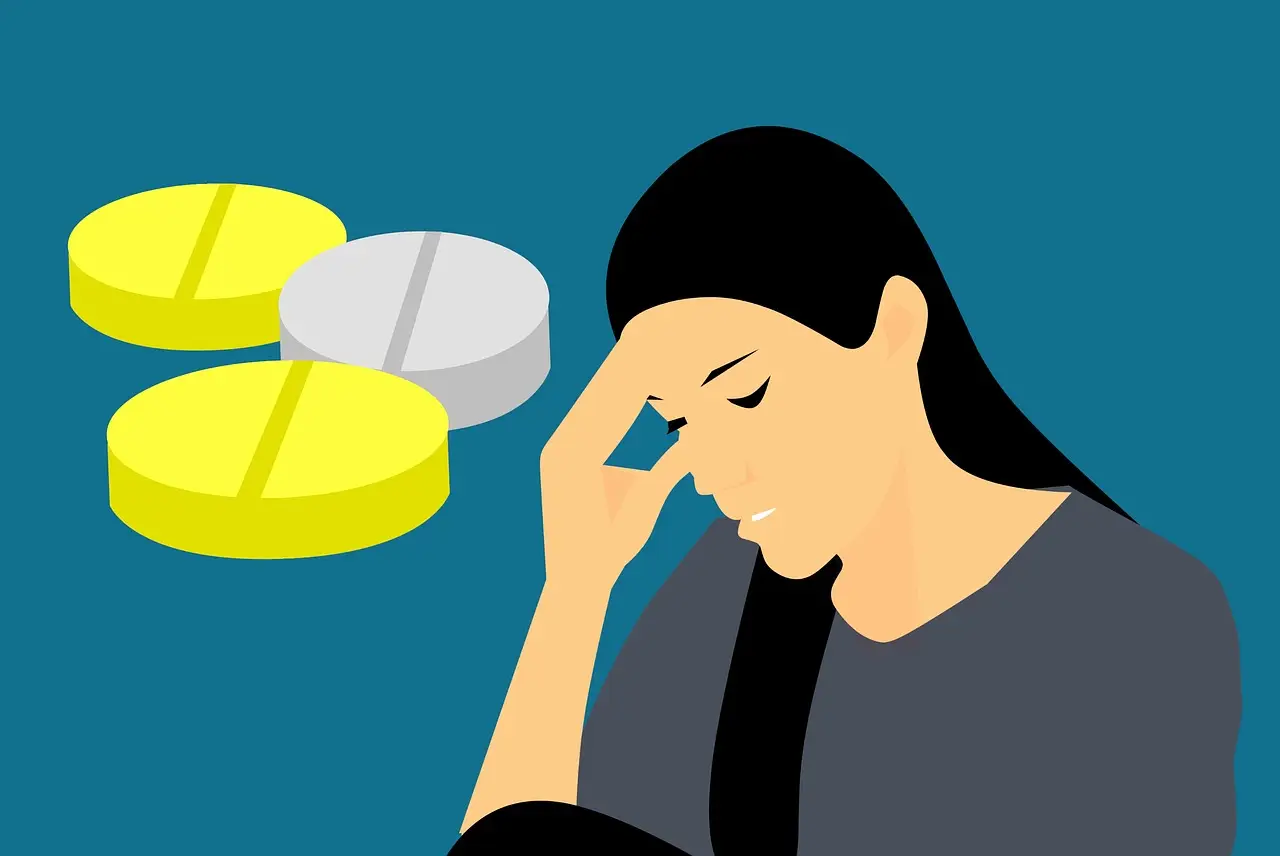

Endometriosis is common, painful, and life-disrupting. Yet for many, getting a clear diagnosis takes most of a decade. If you have been told your pain is normal, or shuffled between providers without answers, you are not alone.
This article explains why endometriosis is so often delayed or missed, what symptoms are and are not typical, how unconscious bias and gaps in training get in the way, what tests actually help, and the concrete steps you can take to advocate for your health. You will also find a comprehensive FAQ covering imaging, pain management, fertility, insurance, and when to seek urgent care.
Most importantly, your experience is valid. Painful periods, pelvic pain, and whole-body symptoms deserve careful, respectful evaluation. There are paths to relief and support.
What is endometriosis and why is it so misunderstood?
Endometriosis is a chronic inflammatory disease where tissue similar to the uterine lining grows outside the uterus, causing pain, scarring, and sometimes organ dysfunction. It is misunderstood because symptoms vary widely, training is limited in many programs, and the gold standard for definitive diagnosis still involves surgery with pathology.
Endometriosis can affect the pelvic peritoneum, ovaries, bowel, bladder, diaphragm, nerves, and beyond. Pain may intensify around menstruation but often persists daily. Some people have severe pain with minimal visible disease, while others have little pain despite extensive lesions. This variability fuels confusion. Meanwhile, many people present with gastrointestinal symptoms, fatigue, pain with sex, urinary symptoms, back or leg pain, infertility, mood changes, and brain fog. Because the disease touches multiple systems, it is frequently mislabeled as irritable bowel syndrome or anxiety.
How do I tell the difference between normal period pain and endometriosis symptoms?
Period discomfort should be manageable with simple measures and not derail your life. If pain is severe, lasts many days, requires prescription pain relief, causes you to miss school or work, or is accompanied by bowel, bladder, or sexual pain, it is not normal and warrants evaluation.
Common endometriosis-related patterns include pelvic pain that begins days before bleeding and lasts beyond it, pain that radiates to the back, hips, inner thighs, or legs, pain with sex especially deep penetration, painful bowel movements or constipation that worsens around periods, bloating that can be dramatic, urinary urgency or pain without infection, nausea, fatigue, or brain fog around cycles, spotting between periods or heavy bleeding, and difficulty conceiving despite regular cycles.
Trust your lived experience. If pain feels out of proportion, it is. You deserve a workup that takes you seriously.
Why does diagnosis typically take 7 to 10 years, and why is the average age at diagnosis often in the mid-30s?
Multiple roadblocks slow care, including normalization of pain, underrecognition of diverse symptoms, inconsistent pelvic pain training, underuse of laparoscopy by experienced excision surgeons, and systemic bias that disproportionately affects women of color. Many people finally get answers during fertility workups or when symptoms escalate in their 30s, which pushes the average diagnostic age later than it should be.
Here are the key drivers of delay. Symptom normalization from the teenage years onward discourages early evaluation. Atypical presentations, where gastrointestinal or urinary symptoms dominate without obvious pelvic pain, lead clinicians away from the diagnosis. Limited training in chronic pelvic pain means many providers have little structured education in endometriosis phenotypes, which narrows diagnostic thinking and can result in mislabeling as irritable bowel syndrome, interstitial cystitis, or anxiety. Access to excision-trained surgeons is uneven, and referrals are often delayed even when suspicion is raised. Implicit bias means women, and particularly Black, Latina, and Indigenous women, as well as LGBTQ+ and nonbinary patients, are more likely to have symptoms dismissed or attributed to stress, resulting in fewer referrals and slower escalation of care. Finally, fragmentation across multiple appointments, long wait times, and insurance hurdles make persistence difficult. Many reach a diagnostic crossroads during infertility evaluations, which often occur in the early to mid-30s.
None of this is the patient’s fault. The problem is systemic. Recognizing the pattern helps you anticipate the next best step.
Is imaging enough to diagnose endometriosis, or is surgery still required?
Imaging can be very helpful but cannot fully exclude endometriosis. Laparoscopic visualization with tissue confirmation by pathology, ideally performed by an excision-trained surgeon, is the diagnostic gold standard.
Pelvic ultrasound can identify ovarian endometriomas and sometimes deep lesions when performed by a skilled sonographer using specialized protocols. MRI can map deep infiltrating disease and adhesions in expert hands. However, superficial peritoneal lesions and small implants may be invisible on both. A normal scan does not rule out disease. If your symptoms and exam suggest endometriosis, discuss next steps even if imaging looks normal.
How do bias and system gaps affect women of color and other marginalized patients?
Implicit bias leads to underestimation of pain, fewer referrals, and delayed imaging or surgery. Combined with structural barriers, this creates longer diagnostic timelines for many patients.
Common examples include dismissing symptoms as stress or anxiety, shorter visits with less shared decision-making, higher thresholds for ordering imaging or specialty referrals, and less geographic or insurance-based access to excision-trained surgeons. A trauma-informed, culturally competent approach counters this harm by validating experiences, explaining options clearly, and partnering on decisions. You deserve that standard of care.
What can I do right now to accelerate a thorough evaluation?
Document your symptoms, prepare a focused story, request a gynecology referral, and ask directly about evaluation for endometriosis and, when indicated, referral to an excision-trained surgeon.
Practical steps you can start today include tracking symptoms daily, noting pain location, intensity, triggers, bowel and bladder changes, bleeding patterns, sex-related pain, medications taken, and how symptoms affect work or school. The Endo360 app is free and can help you assess the likelihood of endometriosis, track symptoms over time, and organize your history so you are prepared for a focused specialist visit. Preparing a brief timeline before appointments also helps: when symptoms began, worst days per month, treatments tried, what helps or worsens things, and activities missed. Bring prior labs or imaging.
When you see your provider, ask for a gynecology referral if you have only seen primary care. If already in gynecology, ask whether your symptoms warrant referral to a pelvic pain specialist or an excision-trained surgeon. Discuss pelvic floor physical therapy, neuropathic pain options, hormonal choices, nutrition support, and mental health resources. If you feel dismissed, you are allowed to seek a second opinion.
What treatments are available while pursuing diagnosis?
Treatment is individualized and may include pelvic floor physical therapy, anti-inflammatory and neuropathic pain strategies, hormonal suppression, nutrition guidance, mental health support, and when appropriate, surgical excision by an experienced surgeon.
Options to discuss with your clinician include pelvic floor physical therapy to address muscle spasm, trigger points, and pain with sex; NSAIDs and heat therapy for flares; nerve-modulating medications when appropriate; continuous combined contraceptives, progestins, levonorgestrel intrauterine systems, or GnRH analogs for hormonal suppression; nutrition adjustments to reduce triggers and support gut health; mind-body and mental health support for pain coping, sleep, and mood; and surgical excision for diagnosis and treatment when indicated, performed by surgeons with deep expertise in complex disease.
No single approach fits everyone. A personalized plan and steady follow-up are key.
What kind of doctor should manage suspected endometriosis?
Start with a gynecologist who is experienced in pelvic pain. If your symptoms are complex or persistent, ask for referral to a pelvic pain specialist or an excision-trained endometriosis surgeon. Multidisciplinary support from pelvic floor physical therapists, gastroenterology, urology, pain specialists, and mental health clinicians can be valuable.
If fertility is a priority, consider early co-management with a fertility specialist, especially if you have been trying to conceive without success. If you are also navigating hormonal symptoms of perimenopause or other endocrine concerns, a women’s health clinic with hormone expertise can coordinate care.
For patients near our Bay Area clinics or seeking virtual guidance, ForeViva Medical Clinique offers comprehensive endometriosis evaluation, care coordination, and referrals to excision specialists when indicated, with telehealth across the United States and in-person visits in Menlo Park and Mountain View.
How does ForeViva approach endometriosis as a whole-body condition?
ForeViva treats endometriosis as a systemic inflammatory disease that affects pain signaling, hormones, gut health, and overall well-being, not just the pelvis. Care plans blend gynecologic evaluation with targeted medical, rehabilitative, and lifestyle interventions, and coordinated referrals to excision surgeons when appropriate.
Under the leadership of Dr. Joelle Osias, MD, board-certified gynecologist and founder of ForeViva Medical Clinique, the program includes in-depth history and exam with detailed symptom mapping, expanded laboratory evaluation when appropriate covering inflammatory markers, hormonal profiles, thyroid evaluation, metabolic markers, and stool testing for dysbiosis, individualized anti-inflammatory strategies and nutrition guidance, pelvic floor physical therapy referrals and nervous system regulation strategies, hormonal optimization when indicated, and collaborative referral pathways to excision surgeons with pre-surgical optimization and long-term post-surgical support.
You receive transparent education, shared decision-making, and longitudinal follow-up focused on pain, fertility, and quality of life. Learn more about our endometriosis care approach at foreviva.com/endometriosis-care.
FAQ: your top questions, answered
What type of doctor should I see to check my hormones?
A gynecologist or a women’s health clinician with endocrine training can evaluate reproductive hormones in the context of your cycles, symptoms, and goals. For complex thyroid or adrenal concerns, an endocrinologist may be helpful. At ForeViva, hormone evaluation is integrated into gynecologic care so testing aligns with your symptoms and timing in the cycle.
What is the best doctor to see for hormone replacement therapy?
For perimenopause and menopause, a gynecologist or menopause-trained clinician is typically best positioned to assess symptoms, risks, and benefits and to tailor dosing and route. Coordination with your primary care physician is important if you have cardiovascular or metabolic conditions. If you are exploring hormone therapy options, you can learn more at foreviva.com/bio-identical-hormone-therapy.
Does insurance cover hormone testing?
Coverage varies by plan and medical necessity. Basic panels ordered for clear symptoms are often covered. Expanded or specialty testing may require prior authorization. At ForeViva, consultations are often covered by insurance, imaging and labs are typically billed to insurance, and our team supports preauthorization when needed.
How much does it cost to get hormone levels tested?
Out-of-pocket costs depend on the tests ordered and your insurance. Standard labs can be modest with coverage; specialty or out-of-network labs can cost more. We provide transparent estimates up front so you can decide before testing proceeds.
Is female hormone testing worth it?
When guided by your history and goals, yes. Hormone testing can clarify contributors to cycle irregularity, heavy bleeding, hot flashes, or fatigue, and it aids decision-making about treatment options. Testing is most useful when paired with a clinician who interprets results in context.
What can ultrasound and MRI show for endometriosis?
Ultrasound can identify ovarian endometriomas and, in skilled hands, some deep infiltrating lesions. MRI can map deep disease and adhesions in expert hands. Neither reliably detects superficial peritoneal implants. Normal imaging does not rule out endometriosis.
Is birth control a cure for endometriosis, or do I need excision surgery?
Hormonal suppression can reduce pain and bleeding for many, but it does not remove lesions. Surgical excision by an experienced endometriosis surgeon can diagnose and remove disease, which may improve pain and fertility for appropriately selected patients. Decisions are individualized.
How does endometriosis affect fertility?
Endometriosis can impair fertility through inflammation, adhesions, and ovarian involvement. Some conceive naturally, while others benefit from surgical optimization and fertility treatments. Early discussion with a fertility specialist is wise if you have been trying for 6 to 12 months without success or if you are over 35.
Besides surgery and hormones, what helps with pain?
Pelvic floor physical therapy, neuropathic pain medications, targeted anti-inflammatory strategies, bowel and bladder symptom management, nutrition tailored to triggers, and mental health support all play roles. A layered plan typically works best.
When should I seek urgent care?
Seek urgent care for severe, escalating abdominal pain, fever, uncontrollable vomiting, fainting, heavy bleeding soaking through pads or tampons hourly, painful swelling of a leg, or signs of bowel or urinary obstruction. If you feel unsafe, go in.
What can I bring to my appointment to make it count?
A concise symptom log, list of medications and supplements, prior imaging and labs, and two or three top goals. The Endo360 app can help you prepare a structured summary to bring into your appointment.
Do I need a referral to see a specialist?
Some plans require referrals. Even when not required, a referral can speed access. Ask your primary clinician to note “suspected endometriosis with functional impairment” and attach your symptom summary.
What if my imaging is normal but I am still in pain?
Normal imaging does not exclude endometriosis. Discuss next steps, which may include continued medical management, pelvic floor physical therapy, or referral to a pelvic pain specialist or excision-trained surgeon for evaluation.
How often should I follow up?
Regular follow-up every 6 to 12 weeks during active management helps track response and adjust your plan. After stabilization, intervals can lengthen. Longitudinal care matters with a chronic condition.
How to prepare for an appointment and advocate without burning out
Keep it simple and focused. Use a symptom log, state your top goals, and ask three direct questions: Could this be endometriosis? What tests or referrals are appropriate next steps? How will we measure progress and when will we follow up?
A few practical tips: bring a support person or ask to record key explanations with permission; ask for written summaries or use your patient portal to confirm the plan; clarify what to expect from each therapy and when to reassess if it is not helping; and pace evaluations over several weeks if needed to protect your energy.
What culturally competent, trauma-informed care looks like at ForeViva
You are believed, heard, and partnered with. Exams are paced to your comfort, decisions are shared, and referrals to excision specialists are coordinated when indicated, with ongoing support for pain, fertility, and quality of life.
In practice this means validating your experience without minimizing it, using trauma-informed exam techniques with clear explanations at each step, offering a confidential and compassionate dialogue that centers your goals, providing clear education about imaging limits and treatment options, coordinating referrals to excision-trained surgeons when indicated, and maintaining longitudinal follow-up for pain management, fertility planning, and overall well-being.
ForeViva offers telehealth across the United States and in-person visits at our Menlo Park and Mountain View clinics. To explore our women’s health services or book an endometriosis evaluation, visit foreviva.com/gynecology-and-well-woman-visits or contact us at foreviva.com/contact-us.
What to do this week if you suspect endometriosis
Start tracking, schedule a focused visit, and ask for specific next steps. Download the Endo360 app to begin logging symptoms and generating a structured summary for your appointment. Gather your records, print or download prior labs, imaging, and operative notes, and note your top three goals before you go in.
If fertility is part of your plan, an early consultation with a fertility specialist can clarify options. If you are in the Bay Area, ForeViva can help coordinate appropriate referrals as part of your care plan.
Gentle next step: book an endometriosis evaluation
You deserve a care team that sees the whole picture and stands with you. ForeViva offers telehealth across the United States and in-person visits in Menlo Park and Mountain View. Consultations are often covered by insurance, imaging and labs are typically billed to insurance, and our team provides transparent estimates and preauthorization support.
Book an endometriosis evaluation to start a compassionate, clinically grounded plan tailored to you. Visit foreviva.com/contact-us to get started.
Summary
Endometriosis takes far too long to diagnose because of normalization of pain, training gaps, imaging limits, and systemic bias that especially affects women of color. Many finally get answers in the mid-30s, often after years of symptoms or during fertility workups. You can accelerate care by tracking symptoms, requesting gynecology referrals, asking about excision-trained surgeons, and preparing focused appointments. Imaging can help but cannot rule out disease; surgical visualization with pathology remains the diagnostic gold standard. A layered treatment plan can reduce pain and improve quality of life while you navigate the process.
ForeViva provides culturally competent, trauma-informed, whole-person care with telehealth across the United States and in-person clinics in Menlo Park and Mountain View. Our approach integrates hormonal health, metabolic and immune support, pelvic floor therapy referrals, and lifestyle medicine in a physician-led model. Use the Endo360 app to prepare, then reach out when you are ready. You are not alone.